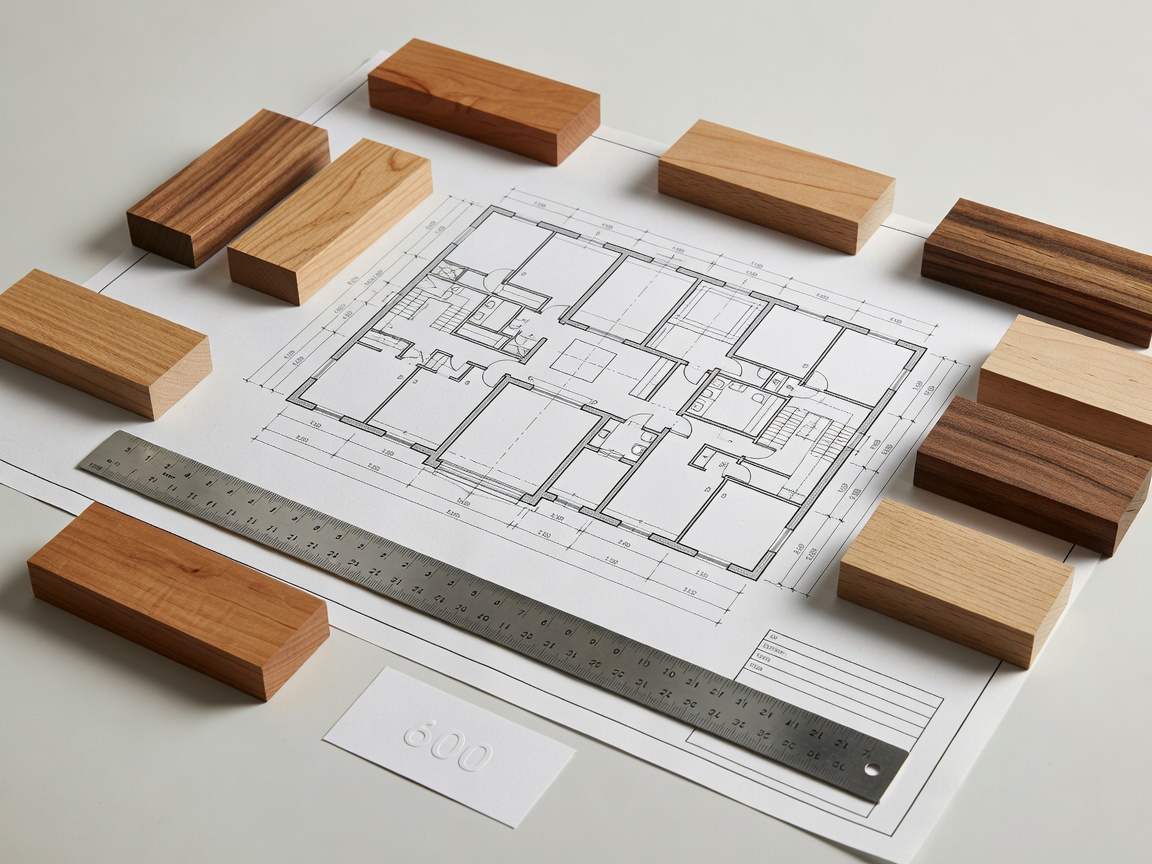
Architectural draft with scale ruler and timber sample blocks detailing project budget categories
Capital Planning

Where the Money Actually Goes: Core Budget Drivers

Instead of relying on arbitrary price tags that ignore site realities, consider where project budgets actually distribute: timber grading, structural glazing, electrical infrastructure, and custom millwork.

The primary differentiator between an entry modular cabin and a true architectural build is not the heater brand; it is the structural framing, the grade of knotless timber (such as A-grade Thermo-Aspen vs. commercial B-grade knotty pine), custom structural steel bench cantilevers, and the subfloor preparation required to tie floor drains into primary home wastewater plumbing.
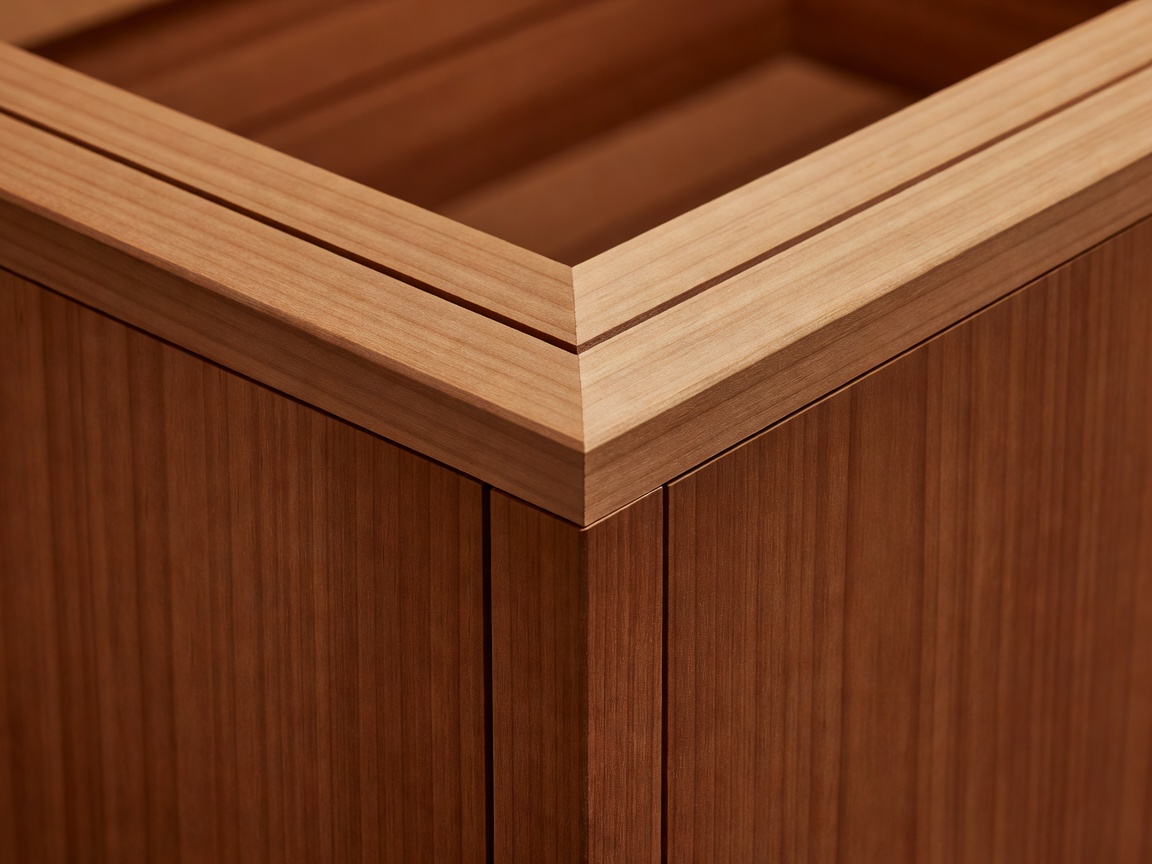
Precision mitred shadow gap corner detail inside a custom built sauna enclosure
Build Methodology

Fully Custom Architectural vs. Standardized Modular

A pre-manufactured modular kit can be assembled in two days, but it rarely aligns flush with architectural ceiling soffits, leaves awkward 150 mm dust-trap gaps around exterior walls, and restricts you to generic factory bench dimensions.

A site-built custom installation fits millimeter-flush against structural masonry, accommodates awkward roof pitches in top-floor penthouses, incorporates structural glass corners without bulky perimeter framing, and allows bench elevations to be tailored precisely to the client's height.

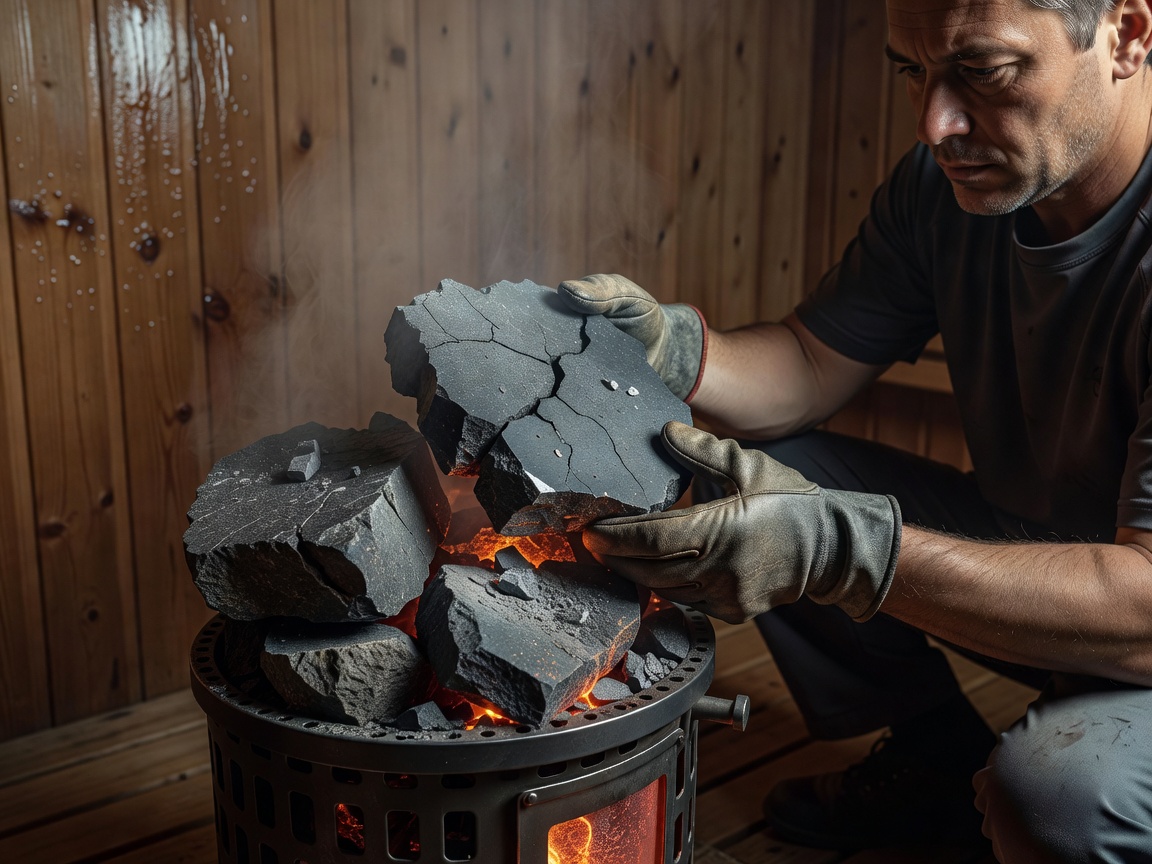
Specialist carefully removing and inspecting cracked igneous sauna stones from an electric stove basket
Routine Care

The Essential Stone Repack & Element Check

Sauna stones endure thermal shocks from 200°C down to 90°C every time cold water hits them. Over 12 to 24 months, microscopic fissures cause the stones to crumble into fine grit. This grit falls between heating elements, blocks the vertical airflow chimney, and causes elements to overheat and burn out prematurely.

At least once a year in private homes (and every 3 months in commercial hospitality), unpack the entire stone basket. Tap stones together: if they sound dull or crumble, discard them. Vacuum out stone debris from the bottom of the heater, and repack remaining stones loosely with ample air gaps around coils.

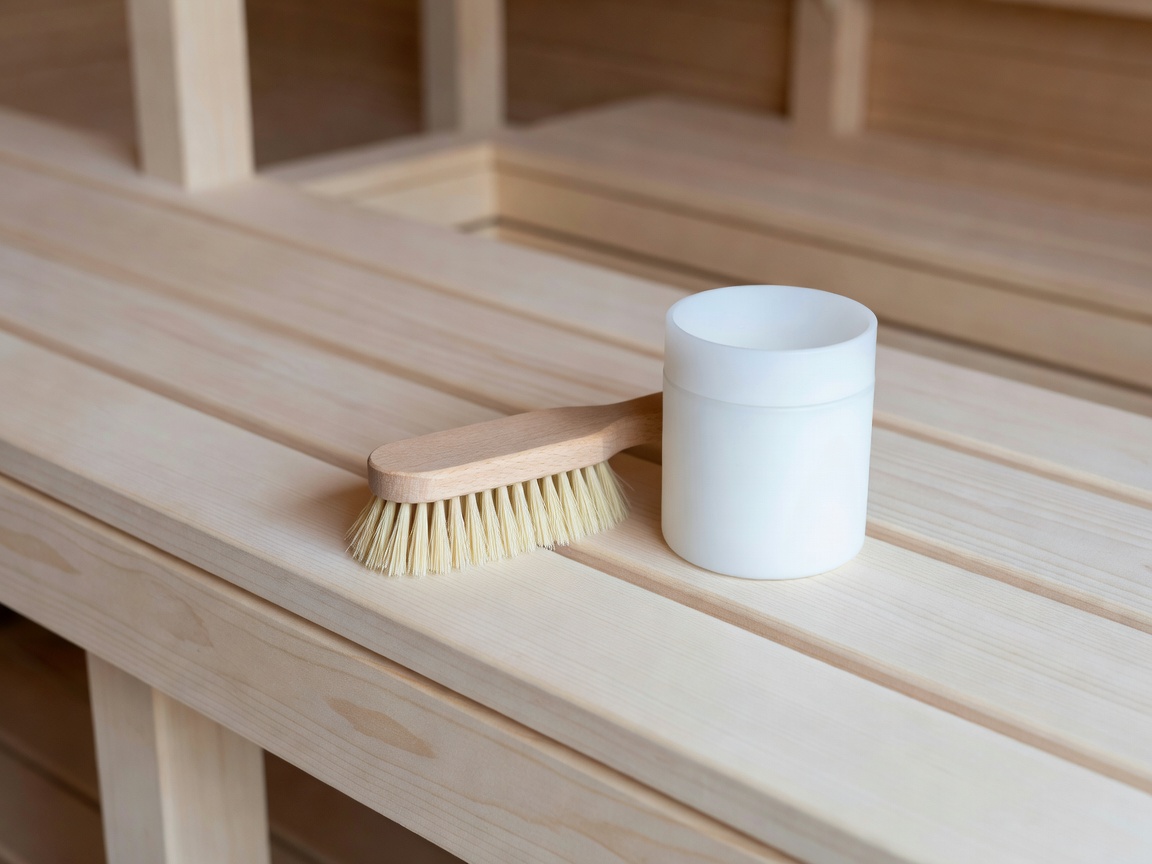
Natural bristle brush and mild oxygen cleaner placed on a clean sanded sauna bench
Hygiene & Wood

Cleaning Regimens: Sanding, Paraffin & Ventilation

Never use chlorine bleach, ammonia, or high-pressure power washers on sauna timber. Chlorine turns soft woods gray and creates toxic chloramine vapor the next time the room is fired up.

Use warm water, a natural bristle brush, and a mild oxygen-based or pine-soap cleanser. For stubborn body oil stains on the upper bench, a light touch with 180-grit sandpaper followed by a fresh coat of pure paraffin oil restores the surface completely. Always leave the sauna door propped ajar for at least 4 hours after a session to ensure the interior dries bone-dry before sealing.

Preventative Maintenance Schedule

A healthy sauna requires minimal time if attended to systematically. Follow this seasonal rhythm:

Frequency Maintenance Target Procedure Required
After Every Session Ventilation & Duckboards Leave door ajar; run mechanical exhaust for 30 minutes; wipe bench sweat puddles with dry towel.
Monthly Floor & Drain Trap Lift floor duckboards; scrub tile subfloor with oxygen cleanser; flush drain trap with clean water to prevent dry seals.
Every 6 Months Fasteners & Door Latches Check stainless steel hinge tension; lubricate roller catches with food-safe graphite; tighten any timber expansion movement.
Annually (Residential)
Quarterly (Hospitality)
Stones & Elements Completely empty stone tray; discard brittle/cracked stones; clean heating element scale; repack with fresh peridotite stones.
Every 2–3 Years Timber Restoration Light cosmetic bench sanding with 180-grit paper; reapply thin coat of food-grade paraffin oil to seating slats only.

Seasonal Ventilation Shifts

During cold winter months, incoming fresh air is dry and dense, requiring modest ventilation damper openings to prevent rapid heater cooling. In humid Mediterranean summers, ambient outdoor air holds significant humidity; intake dampers must remain wider open and extraction fans must run longer after shut-down to completely evacuate residual moisture before evening cooling occurs.

Project Planning

Need a realistic cost breakdown and feasibility study?

Share your room dimensions, primary power capacity, and location. We will outline the structural and material investment required to execute it properly.